

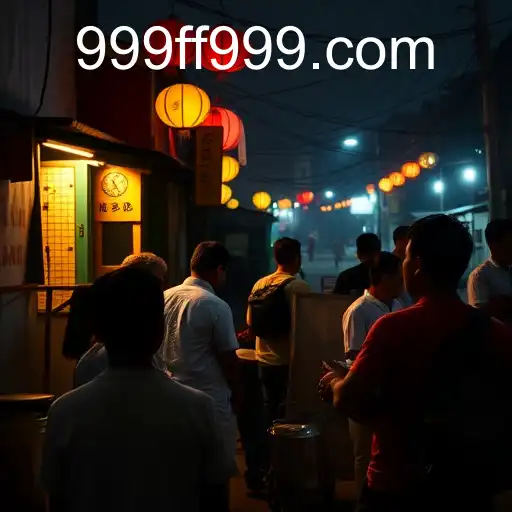

Jueteng, an illegal numbers game deeply rooted in Filipino society, continues to capture the public's attention for its persistent presence despite numerous efforts to eradicate it. This underground activity, often shrouded in controversy and intrigue, reflects complex socio-economic dynamics in the Philippines. Historically resilient, Jueteng's core appeal lies in its simplicity and accessibility, making it a fixture in both rural and urban areas.
The origins of Jueteng trace back to Spanish colonial rule, where it began as a simple numbers game. Its etymology is believed to derive from the combination of two Hokkien words, 'hue' meaning flower and 'teng' representing lot. The game, adapted over centuries, metamorphosed from a pastime to a street-level gambling phenomenon, thriving amidst local communities brimming with diverse cultural influences.
During the American colonial period, Jueteng morphed into a symbol of both resistance and adaptation, illustrating a unique facet of Filipino resilience. Over time, it has evolved into not just a game, but a staple facet of everyday life, part and parcel of the local social fabric characterized by vibrant traditions and communal bonds.
The simplicity of Jueteng is integral to its mass appeal. Players select a combination of two numbers, ranging from 1 to 37. Betting is typically community-centric, with cobradores (bet collectors) gathering wagers house-to-house. Winning numbers are drawn randomly, sometimes using rudimentary methods like drawing balls from a circular container. Winning bettors can expect payouts at times 30 to 1, providing a tempting promise of quick money.
What sets Jueteng apart are the tight-knit networks of support and operational efficiency maintained by individuals involved. Besides the cobradores, there are also cabos or coordinators who manage betting operations and ensure that everything runs smoothly. It's an ecosystem that thrives on trust and understanding, ingrained in the communities they serve.
For millions of Filipinos dwelling below the poverty line, Jueteng represents a beacon of hope amidst economic uncertainty. Its lure is deeply intertwined with the pervasive economic hardships that face many in the country. The chance to turn small amounts of money into a sizeable reward is immensely attractive, often prevailing over entrenched socio-economic challenges.
However, the game also contributes to a cycle of reliance and false hope. While it provides short-term relief, it can exacerbate financial woes when bettors go beyond their means. Despite these risks, Jueteng persists, sometimes viewed as both vice and virtue, a gamble suffused with dreams and desperation.
The illegality of Jueteng heightens its allure, creating a clandestine atmosphere that beckons many. Over the decades, numerous government crackdowns have been staged, yet with limited success. The game’s tenacity is attributed to multiple factors, including alleged complicity at various levels of government, which complicates efforts to eliminate it entirely.
Speculation also abounds regarding Jueteng's entwinement with politics. Historically, proceeds from Jueteng have been reported to finance political campaigns, further complicating efforts of regulation and strict enforcement. It is a murky symbiosis wherein political interests and organized gaming craft a sophisticated dance of influence and profit.
Efforts to transform Jueteng from an illegal game to a regulated source of revenue have faced resistance, not only from governing bodies but also from communities where it thrives. There have been propositions to legalize it, similar to other forms of gambling, such as the national lottery. However, substantial hurdles remain, particularly concerning the ethical implications and the potential normalization of gambling.
Community perspectives vary widely on Jueteng. For some, it is an integral part of their way of life, providing community engagement and unifying social experiences. Others argue it perpetuates a culture of dependency and distraction from more productive economic endeavors. This dichotomy makes it challenging to implement broad policy changes that align with the diverse views of citizens engaged in the nine-figure shadow industry.
Despite numerous efforts to mitigate its influence, Jueteng retains an enduring legacy, perpetuating both cultural and economic narratives of resilience and persistence. Its complex web of socio-economic and political intricacies remains a formidable challenge to legislators, community leaders, and citizens alike.
In a broader sense, Jueteng exemplifies the intricate balance between tradition and progress, showcasing how local customs can thrive amidst national and global changes. As the Philippines navigates the future, understanding jueteng's intricate role within society remains pivotal, inviting fresh approaches and enlightened dialogue for a game that reflects a nation's vibrant, albeit complicated, heritage. Learn more about Filipino culture and societal issues.

Discover the captivating universe of 100BlazingClover, a mesmerizing game intertwined with current events and unique gameplay elements.

Dive into the delightful universe of CooCooFarm, a charming game that combines farming simulation with whimsical adventures. Learn about the game's features, rules, and its unique place in the current gaming landscape.

Explore the intricacies of TheBeltOfChampionBonusBuy, a unique game with intriguing rules and captivating gameplay, set against the backdrop of current events.

Discover the enthralling new game, ClubGoddess, with a deep dive into its gameplay, features, and the unique twist it brings to the traditional gaming landscape.

Explore the irresistible allure of SoSweet, a captivating game that blends strategy, fun, and endless sugar-coated excitement. Unveil the game's unique elements, immerse yourself in the colorful introduction, and grasp the delightful rules that make SoSweet a must-play experience.

Explore the captivating world of HoHoHo, a holiday-themed game with unique rules and gameplay, intertwined with the vibrant spirit of the holiday season.
